
About Us
The Testa Grigia observatory, as part of the broader Italian CNR mountain observatory network, stands as a testament to a rich legacy of pioneering scientific research. Its unique high-altitude location has been instrumental in advancing our understanding of cosmic rays and nuclear physics since 1948, a mission that has not only pushed the boundaries of our knowledge of the universe but also fostered a deeper comprehension of its fundamental workings.
Beyond its historical significance in particle physics, the observatory’s role has expanded to encompass crucial long-term environmental monitoring. The continuous collection of meteorological and atmospheric data, including aerosol properties and greenhouse gas concentrations, provides an invaluable dataset for global research on climate change and environmental shifts. Thus, the Testa Grigia observatory is more than a historical landmark; it remains a vital, active platform for groundbreaking research, providing essential data that addresses some of the most pressing scientific and environmental challenges of our time.


History of Testa Grigia
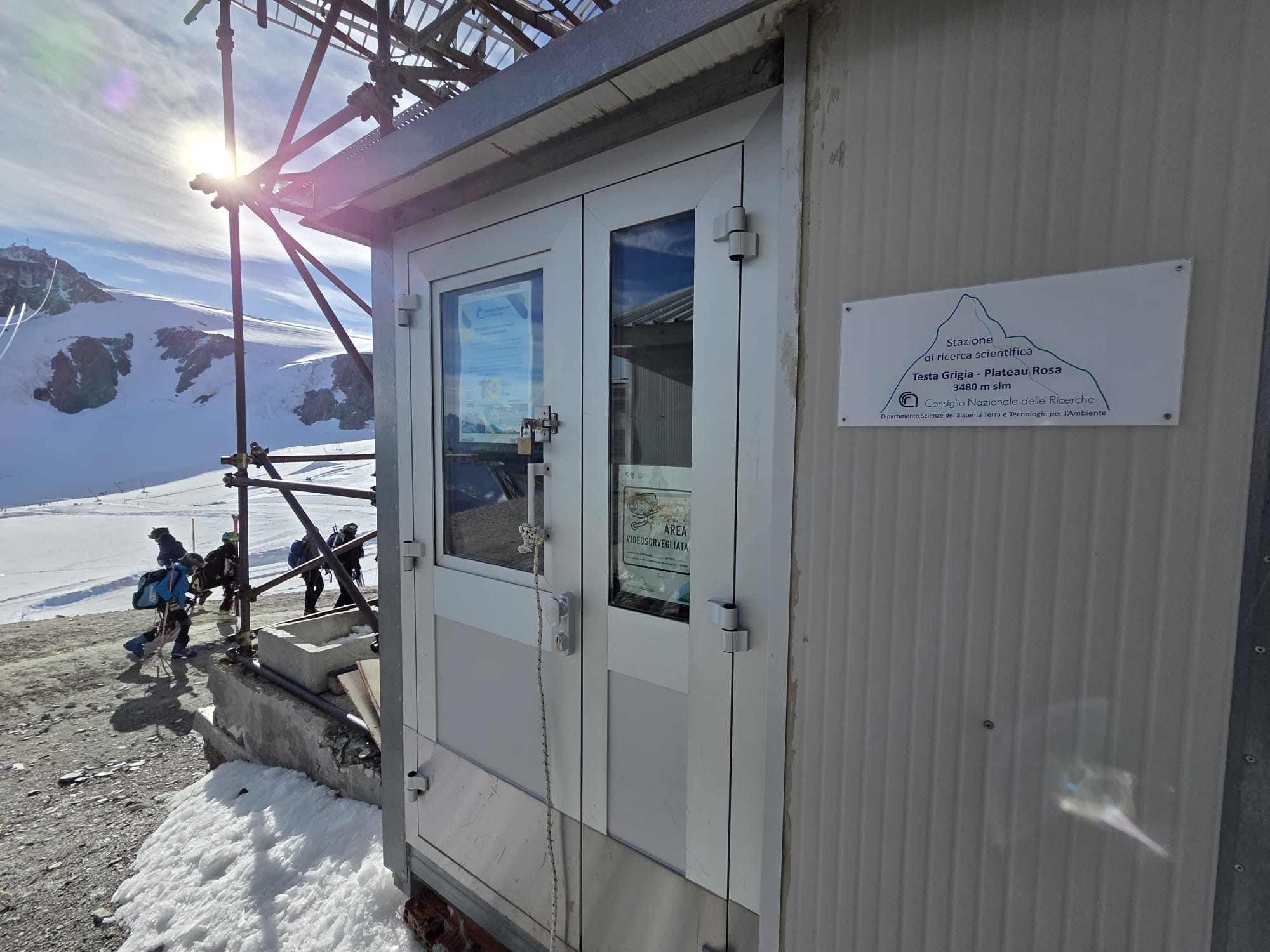
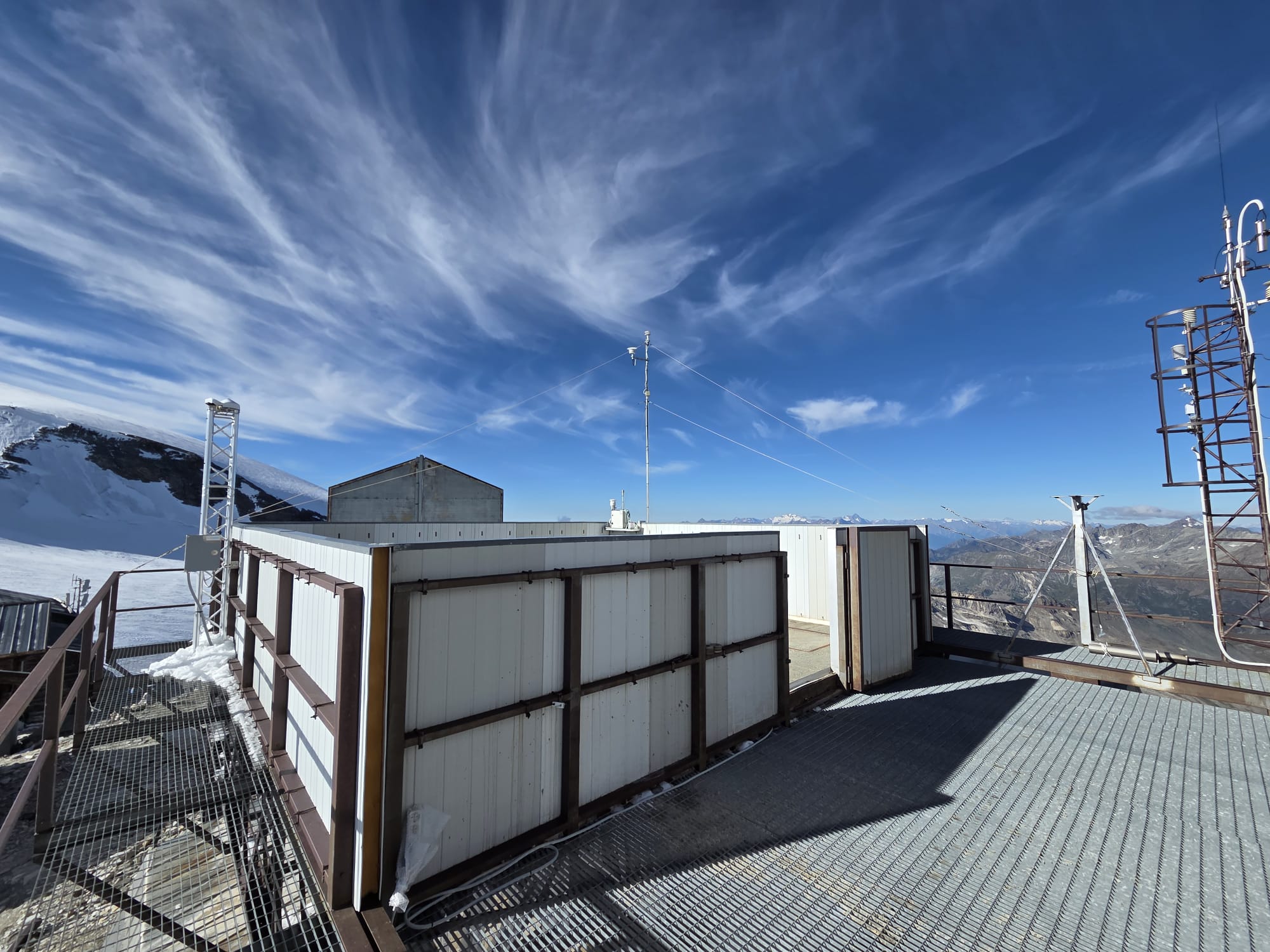
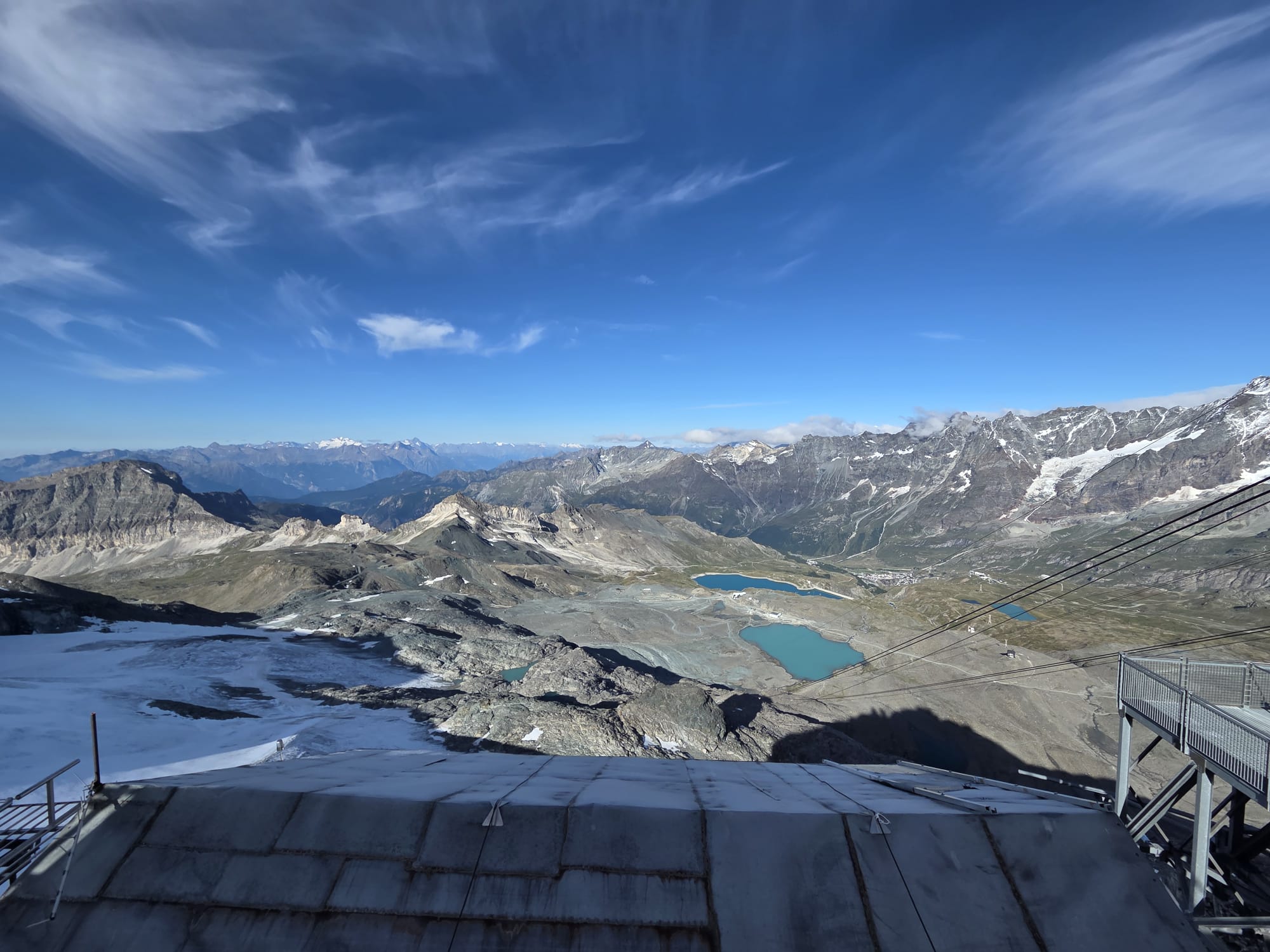
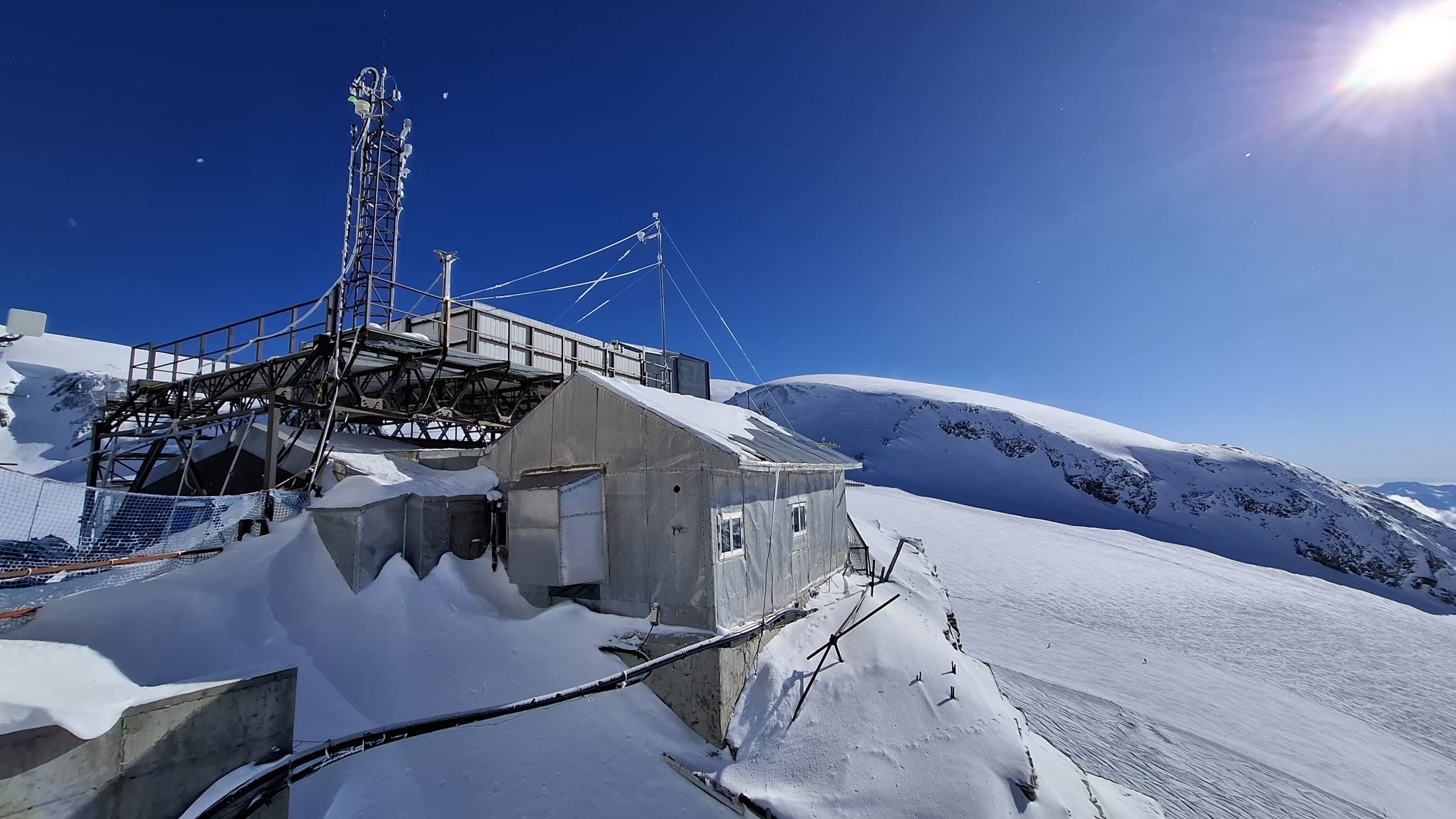
The Testa Grigia observatory has a rich history rooted in the pioneering research of cosmic rays and elementary particle physics. Opened on January 11, 1948, through a remarkable partnership between the private industry sector (FIAT) and the National Research Council, this facility is strategically located near the Matterhorn at Plateau Rosa. Today, this research station remains one of the highest in Europe, alongside the Jungfraujoch laboratory in the Swiss Alps. The Testa Grigia hut, an architectural marvel crafted by Claudio Longo, was purposefully built using lightweight materials that minimize interference with cosmic rays.
Initiated by the visionary Rome Physics Group led by Gilberto Bernardini, this project brought together esteemed scientists like Ettore Pancini, Marcello Conversi, and Edoardo Amaldi. The laboratory quickly established itself as a hub for groundbreaking research in cosmic rays and high-energy physics, particularly in understanding nuclear interactions in our atmosphere. These studies have been pivotal in advancing our knowledge of high-energy collisions between nuclei and photons. Under Carlo Castagnoli’s leadership, the laboratory underwent revitalization and expansion in 1965, further solidifying its status on the global research stage. This initiative not only embodies scientific innovation but also fosters a deeper comprehension of the universe, making it a vital asset for future explorations in physics.
Since 1969, the laboratory has operated a meteorological station, and since 1989, it has continuously monitored carbon dioxide and methane concentrations. The resulting data is submitted to the World Data Center for Greenhouse Gases, the foremost international repository for greenhouse gas information collected from monitoring networks around the globe. Since 2021, CNR measures aerosol microphysical properties. These comprehensive datasets not only establishes a vital historical record but also captures the dynamic environmental shifts that have occurred over the past three decades. It stands as an indispensable resource for researchers and policymakers dedicated to understanding and tackling the pressing issue of climate change.
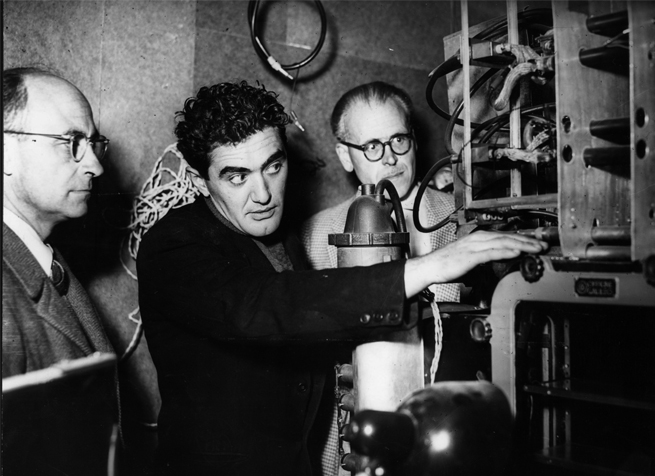
Enrico Fermi and Emilio Segrè visiting the observatory in 1949 – LaPresse
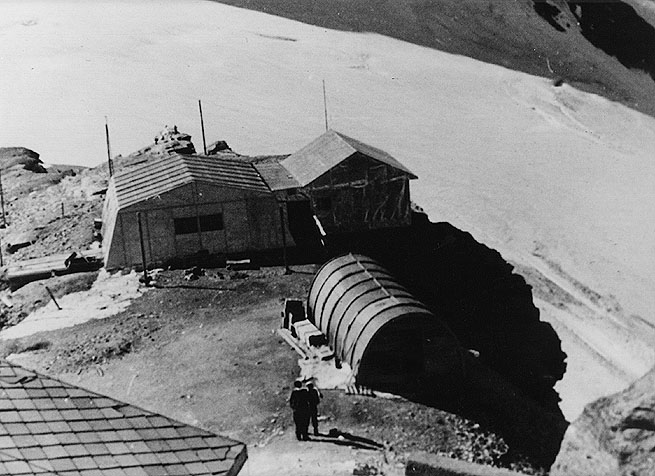
Testa Grigia Observatory in the the 50’s – INFN
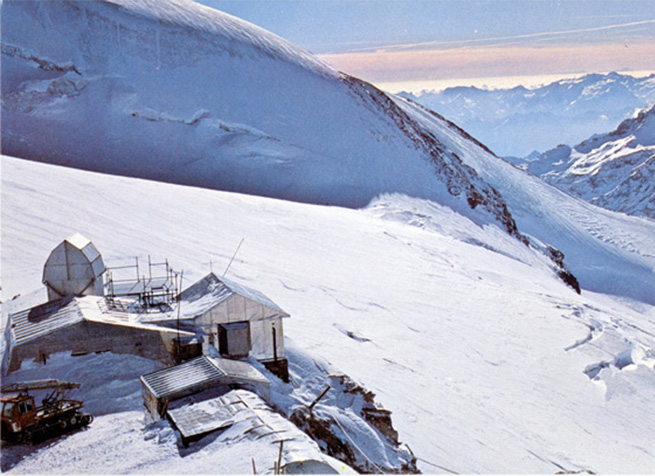
The laboratory in the ’80s – INFN
Historical publications
Petriconi G.L. et al., A Cyclic Change in Possibilities of Precipitation at the Plateau Rosa Meteorological Station, and the Subjacent Valtournanche Valley, Nature 196.4853, 1962.
This study found periodicities in precipitation events, not directly matching annual temperature cycles, suggesting other drivers. It highlighted that precipitation processes at high altitudes (Plateau Rosa) involve complex interactions of different air masses, affecting liquid water content and ice formation. Researchers noted that while temperatures often allowed for liquid-to-ice transitions, actual precipitation events didn’t always follow these conditions, pointing to deeper atmospheric influences. This research theme is still relevant today since cloud phase defines the way cloud impact regional climate
Briatore L. and Leschiutta S., Evidence for the Earth Gravitational Shift by Direct Atomic-Time-Scale Comparison, Il Nuovo Cimento, Vol 37 N2, 1977.
In 1976 Luigi Briatore and Sigfrido Leschiutta tested the General Relativity Theory by measuring with cesium atomic clocks a difference of 30 billionths of a second per day between the clock placed on the top of the Plateau Rosa, at 3500 meters above sea level, and one placed in Turin at 250 meters above sea level. General Relativity predicted that, where the gravitational field was smaller, clocks would accelerate: the experiment promptly confirmed this thesis and after 68 days the clock placed in Turin had lost 2.4 10-6 seconds compared to the one placed in Plateau Rosa)
Longhetto et al., A study of greenhouse gases and air trajectories at Plateau Rosa, https://link.springer.com/article/10.1007/BF02506642, 1995
This paper presents and discusses for the first time the time series of CO2 air concentration data measured at Plateau Rosa (3480 m a.s.l.—Italian Western Alps). These results have shown the leading role played by specific atmospheric circulation patterns in creating situations of not fully mixed air streams and helped to define a «meteorological» selection scheme for CO2 data to be used in evaluating reliable annual trends.
Partners


DSSTTA mountain observatories
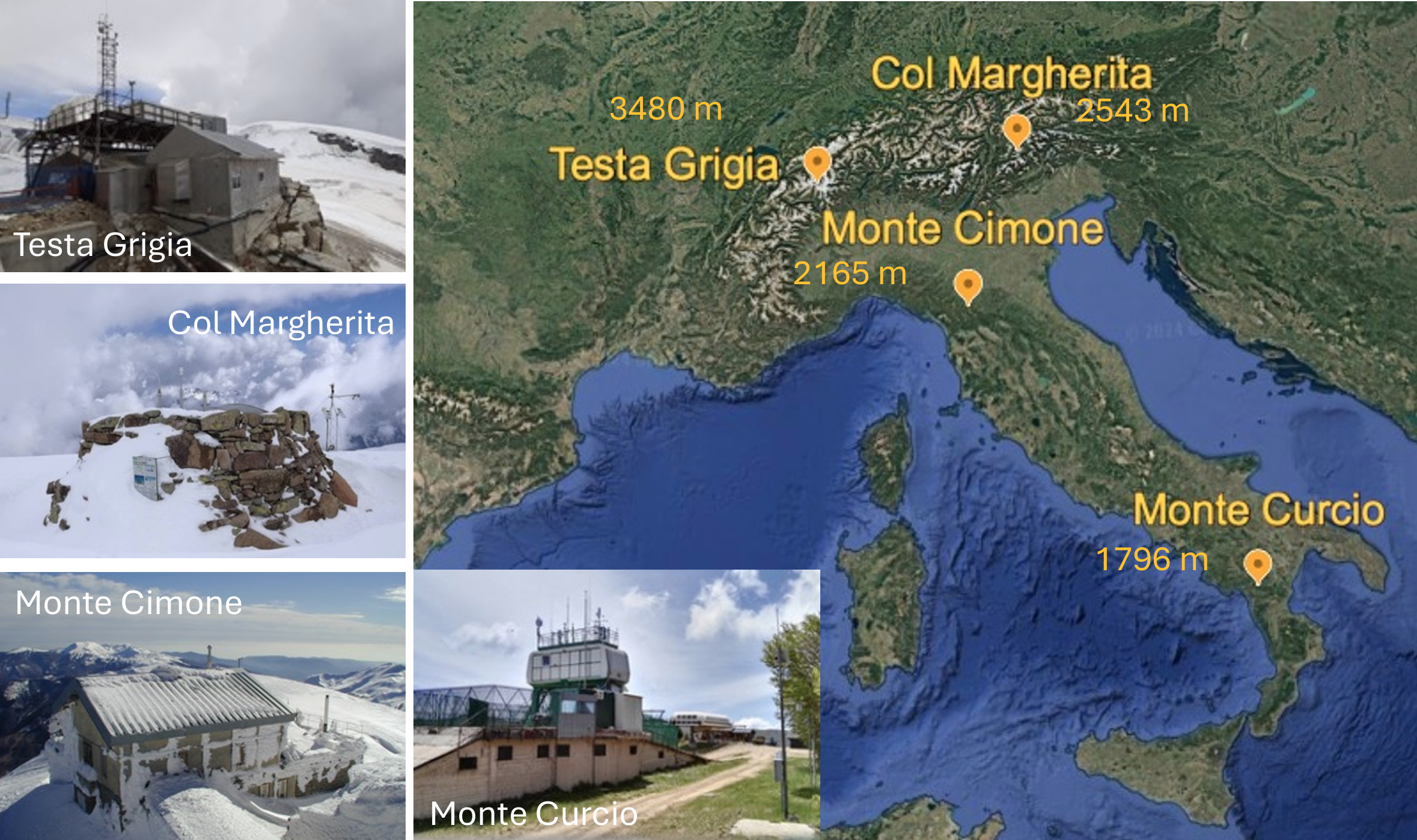
The Department of Sciences of Earth System and Environmental Technologies of the National Research Council carries out studies in different sectors to promote innovation, development and well-being in the country and around the world. The Testa Grigia observatory is part of the CNR mountain observatories network together with Col Margherita, Monte Cimone and Monte Curcio. The four observatories represent a unique set of platforms representative of a diverse mountain environment in the Mediterranean region.